A welcoming space for informal educators to connect, share, and grow.
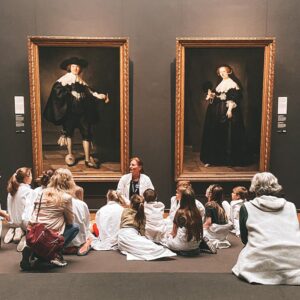
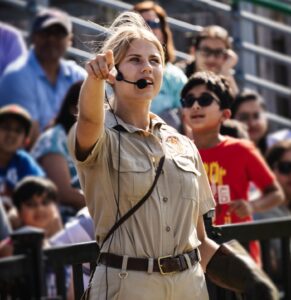
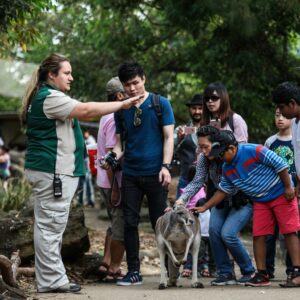
Informal educators support learning in museums, aquariums, parks, nature centers, zoos, community programs, and many other settings. They are often the backbone of these institutions: designing programs, engaging visitors, and making learning meaningful in real-world contexts.
Yet despite the importance of this work, informal educators often have limited access to professional development, few opportunities to connect with peers in similar roles, and little time to search for resources or keep up with the latest research.
A Word from Our president
“I first decided that I wanted to be a marine biologist after trying Scuba diving for the first time, at a small lake in Indiana. I saw nothing but a piece of seaweed float by, but it was life changing.
It wasn’t until I started volunteering at the nearby aquarium that I realized what I really wanted to do was get other people as excited about the ocean as I was.
I ended up pursuing a degree in marine biology and a high school biology teaching license. Using those together, I started teaching in aquariums across the southeast. I loved getting the opportunity to talk with our visitors about what makes our planet so amazing.
After a decade of this work, I realized what I really wanted to do was help professionalize the field of informal science educators. I pursued my PhD and focused on family based programming in science museums. At the same time, I started my research on the skills informal science educators need to support their work.
Following graduation, I was hired as a researcher in museum education. This role gave me the opportunity to better understand what informal educators need to support their work. This includes a sense of belonging, access to professional development, and confidence in their own work.
There is no single professional pathway to becoming an informal educator.
Finding a degree program, or other professional development opportunities to grow these skills can be limited or expensive. And so, from the research and my own experiences as an informal educator, CAMZIE was born.
This must be a community driven by informal educators and their needs, and we are always listening to understand exactly what those needs are.”
– Dr. Megan Ennes, PHD
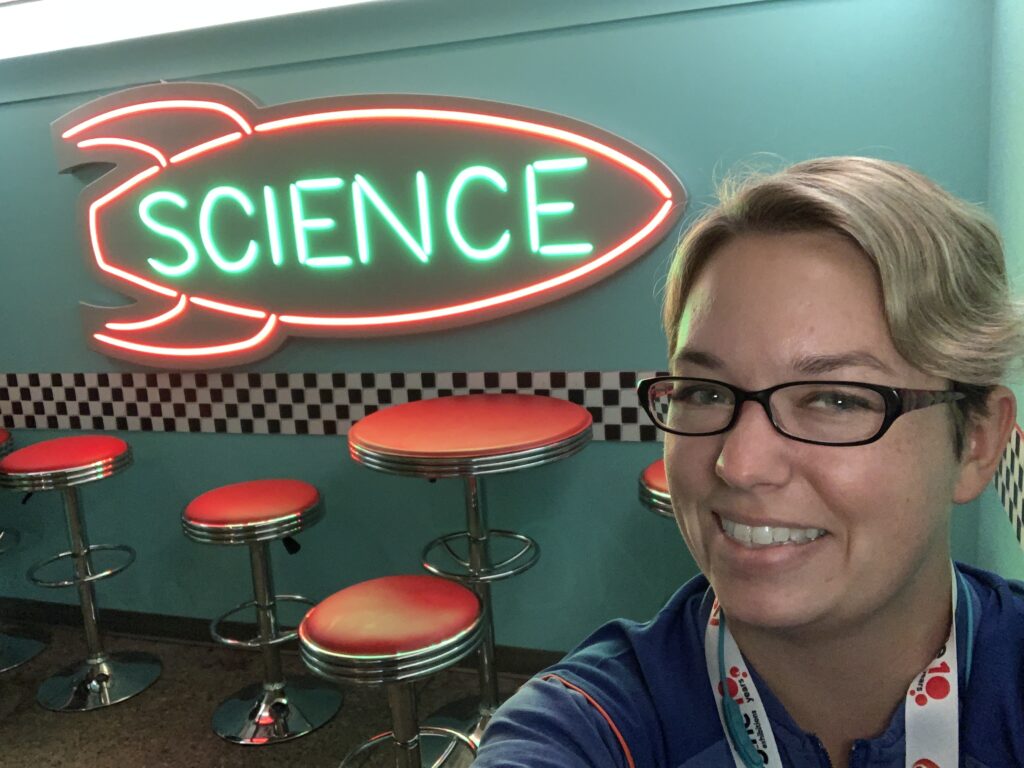
A Word from Our president
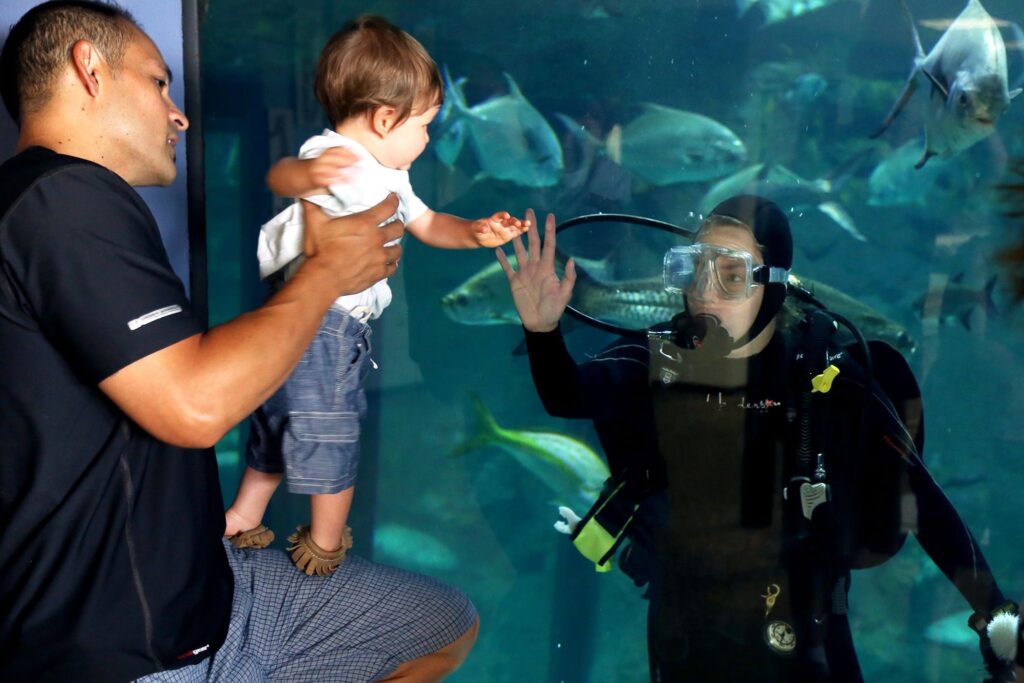
“I first decided that I wanted to be a marine biologist after trying Scuba diving for the first time, at a small lake in Indiana. I saw nothing but a piece of seaweed float by, but it was life changing.
It wasn’t until I started volunteering at the nearby aquarium that I realized what I really wanted to do was get other people as excited about the ocean as I was.
I ended up pursuing a degree in marine biology and a high school biology teaching license. Using those together, I started teaching in aquariums across the southeast. I loved getting the opportunity to talk with our visitors about what makes our planet so amazing.
After a decade of this work, I realized what I really wanted to do was help professionalize the field of informal science educators. I pursued my PhD and focused on family based programming in science museums. At the same time, I started my research on the skills informal science educators need to support their work.
Following graduation, I was hired as a researcher in museum education. This role gave me the opportunity to better understand what informal educators need to support their work. This includes a sense of belonging, access to professional development, and confidence in their own work.
There is no single professional pathway to becoming an informal educator.
Finding a degree program, or other professional development opportunities to grow these skills can be limited or expensive. And so, from the research and my own experiences as an informal educator, CAMZIE was born.
This must be a community driven by informal educators and their needs, and we are always listening to understand exactly what those needs are.”
– Dr. Megan Ennes, PHD